

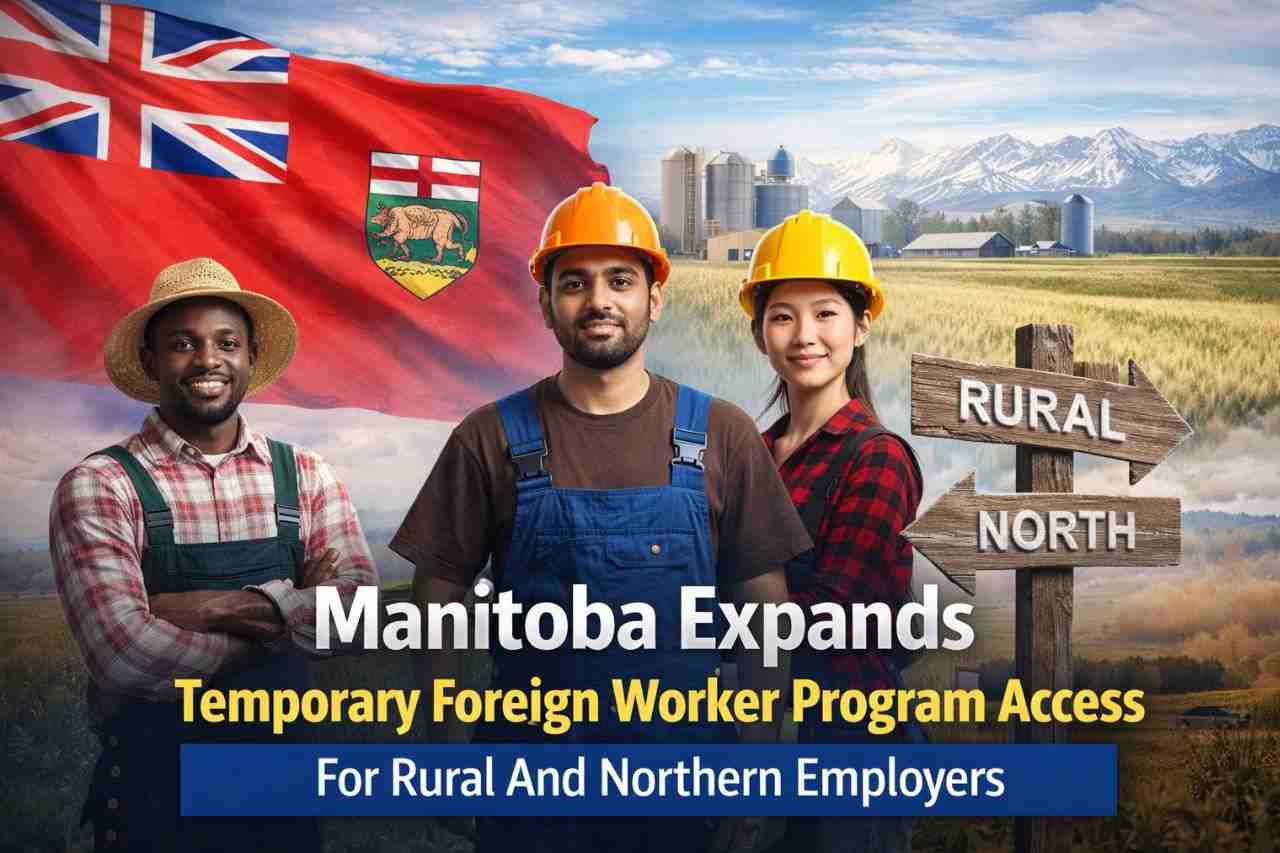

In a significant move to address ongoing labour shortages, Manitoba has expanded access under the Temporary Foreign Worker Program (TFWP) for rural and northern employers. Effective April 14, 2026, the province has opted into new federal temporary measures that provide greater flexibility for hiring foreign workers in low-wage roles.
This policy shift highlights the growing importance of temporary immigration pathways in supporting Canada’s labour market especially in regions facing acute workforce challenges.
Key Updates to the Temporary Foreign Worker Program in Manitoba
Under the new measures, eligible employers outside the Winnipeg Census Metropolitan Area can:
- Maintain their current proportion of temporary foreign workers, even if it exceeds the standard cap
- Increase the cap on low-wage positions from 10% to 15% across all sectors
Source: Temporary Foreign Worker Program Temporary Measures
These changes will remain in effect until March 31, 2027, offering employers a temporary but crucial solution to staffing shortages.
Why Manitoba Expanded TFWP Access
Labour shortages in Manitoba have been particularly severe in rural and northern regions, where attracting and retaining workers is more difficult. Industries such as agriculture, manufacturing, hospitality, and healthcare continue to face hiring challenges.
By expanding the Temporary Foreign Worker Program, Manitoba aims to ensure that businesses can continue operating efficiently while supporting regional economic stability.
Impact On Employers and Foreign Workers
For employers, these measures provide immediate relief by allowing greater flexibility in workforce planning. Businesses that were previously constrained by caps can now retain more foreign workers and fill critical roles.
For foreign workers, this creates more job opportunities and pathways to gain Canadian work experience. Many temporary foreign workers eventually transition to permanent residence through programs like the Provincial Nominee Program (PNP), making this an important stepping stone in the immigration journey.
Connection To Long-Term Immigration Pathways
While the TFWP is a temporary solution, it often works alongside permanent immigration programs. Provinces like Manitoba use the PNP pathways to retain skilled workers who have already contributed to the local economy.
This alignment between temporary and permanent pathways reflects Canada’s broader immigration strategy meeting immediate labour needs while building long-term population growth.
What This Means For Applicants
Foreign workers considering Canada should pay close attention to provinces like Manitoba, where demand is high and opportunities are expanding. Employers are actively seeking workers, particularly in rural areas, which can increase the chances of securing employment and future immigration pathways.
Understanding how temporary programs like the TFWP connect to permanent residency pathways is essential for long-term success. At ImmigCanada Immigration Consulting Services, under the guidance of Eivy Joy Quito, we help applicants identify the right strategy from securing a job offer to transitioning through programs like the Provincial Nominee Program. If you’re exploring work opportunities in Canada, now is the time to align your profile with in-demand regions and maximize your chances.
Manitoba’s decision to expand TFWP access reflects a proactive approach to addressing labour shortages in underserved regions. As these temporary measures take effect, both employers and foreign workers stand to benefit creating new opportunities for economic growth and immigration pathways in Canada.
Frequently Asked Questions (FAQs)
The TFWP allows Canadian employers to hire foreign workers when qualified local candidates are not available. It helps fill labour shortages across various industries. The program is widely used in sectors like agriculture, hospitality, and manufacturing.
Manitoba increased the cap on low-wage temporary foreign workers from 10% to 15% and allowed employers to exceed existing caps. These changes apply to rural and northern regions. The measures are temporary and valid until March 2027.
Employers in rural and northern Manitoba benefit by gaining more flexibility in hiring. Foreign workers also benefit from increased job opportunities and potential pathways to permanent residency.
Yes, many temporary foreign workers transition to permanent residence through programs like the Provincial Nominee Program. Canadian work experience often strengthens immigration applications.