

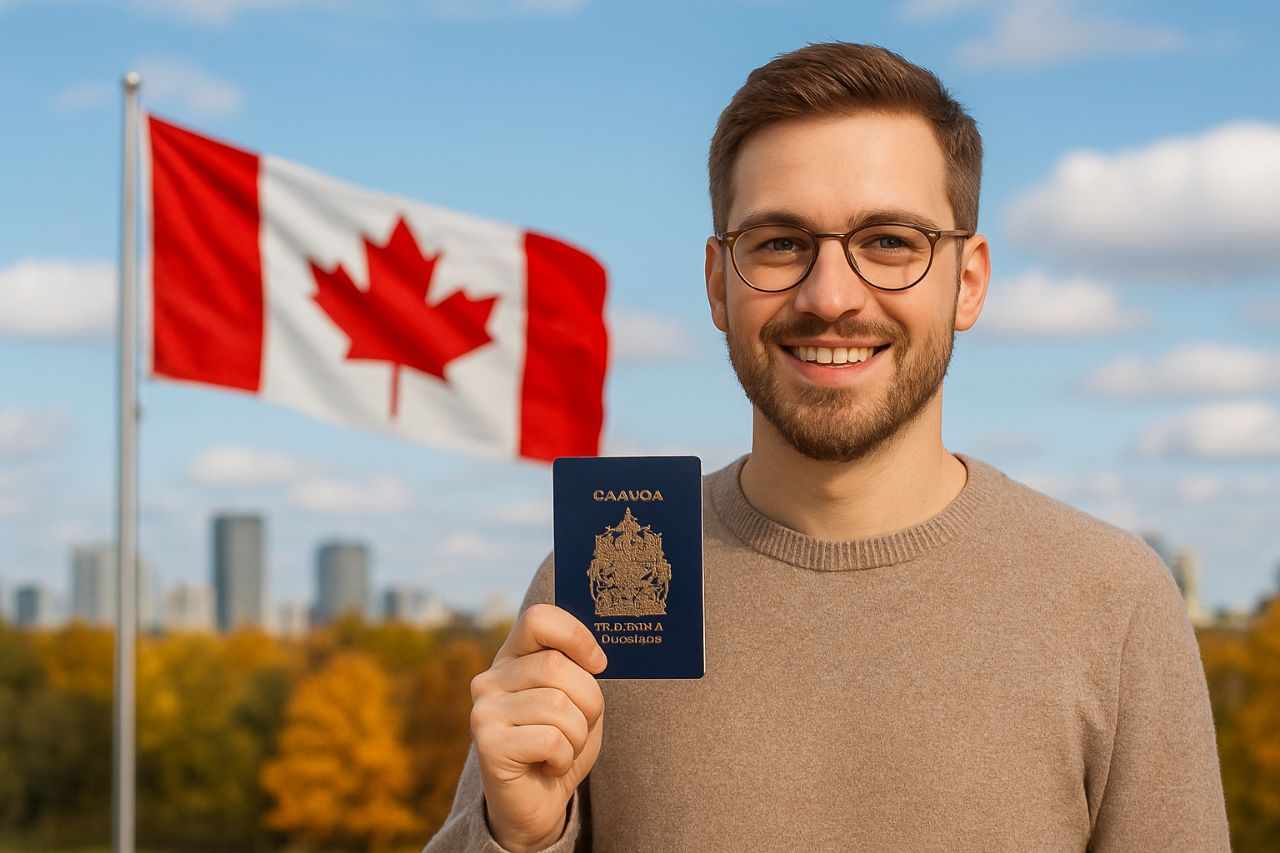

Between August and October 2026, Canadians who received a passport issued between January 1 and June 30, 2026, may receive an email or printed invitation to complete a voluntary client experience survey. The survey, run by research firm Advanis, takes 15 to 20 minutes, is confidential, and has no effect on any current or future passport application.
Who Is Being Contacted and Why?
The Government of Canada is reaching out to a randomly selected group of clients who received a Canadian passport in the first half of 2026 to gather structured feedback on their experience with the Passport Program. This isn’t a new practice; Canada runs client experience surveys periodically to identify service gaps and track improvement over time, but the 2026 wave is specifically scoped to applications processed between January 1 and June 30 of this year.
Selected clients may be contacted in one of two ways. Some will receive a direct email invitation to participate, while others will find an invitation to take the survey online included with their new passport when it arrives. Either way, participation is entirely optional, and choosing not to respond carries no consequence for any application you’ve already submitted or plan to submit in the future.
How Can You Tell the Survey Email Is Legitimate?
Given how often government-branded phishing attempts circulate, it’s worth knowing exactly what the real invitation looks like. The genuine survey will be sent from the address canpassport2026@advanis.net, and any link included will begin with surveys.advanis.ca/passport2026. Advanis is the independent research firm Canada has contracted to administer the survey, which is why the sender domain won’t carry a .gc.ca ending, something that understandably raises suspicion for many recipients.
The most reliable way to confirm legitimacy is to check what the survey does and doesn’t ask for. The real survey will never request your passport number, financial details, or any other sensitive identifying information. It focuses entirely on your experience: how you applied, how long it took, how clear the instructions were, and how satisfied you were with the outcome. If an email claiming to be this survey asks for payment, your passport number, or banking details, it is not legitimate and should be reported rather than answered.
Source: Client experience survey for passports issued in 2026
What Happens to Your Answers?
Participation is confidential, and the results feed directly into how Canada evaluates and adjusts its passport services going forward. The survey is offered in both English and French, takes roughly 15 to 20 minutes to complete, and runs on a defined window from August through October 2026, after which the collection period closes, and Advanis compiles the findings for government review. None of your responses are linked back to a specific application file in a way that affects processing, current or future.
Why This Matters If You’re Applying for or Renewing a Passport
For anyone navigating a Canadian immigration journey, a valid passport is often the final practical step after permanent residency, citizenship, or a work or study permit comes through. Long-term applicants sometimes underestimate how much passport processing time can vary, and surveys like this one are part of how the government identifies and addresses those bottlenecks. If you received your passport earlier this year and get invited to participate, your feedback genuinely factors into service planning, not just data collection for its own sake.
Still navigating your own immigration or citizenship documentation and want a second set of eyes on your paperwork? Connect with ImmigCanada’s advisors for guidance on every stage of your Canadian journey.