


Canada continues to attract thousands of international students each year. World-class education, global recognition, and a clear pathway to work and permanent residence. But there is one factor many students overlook until it becomes urgent – Healthcare access.
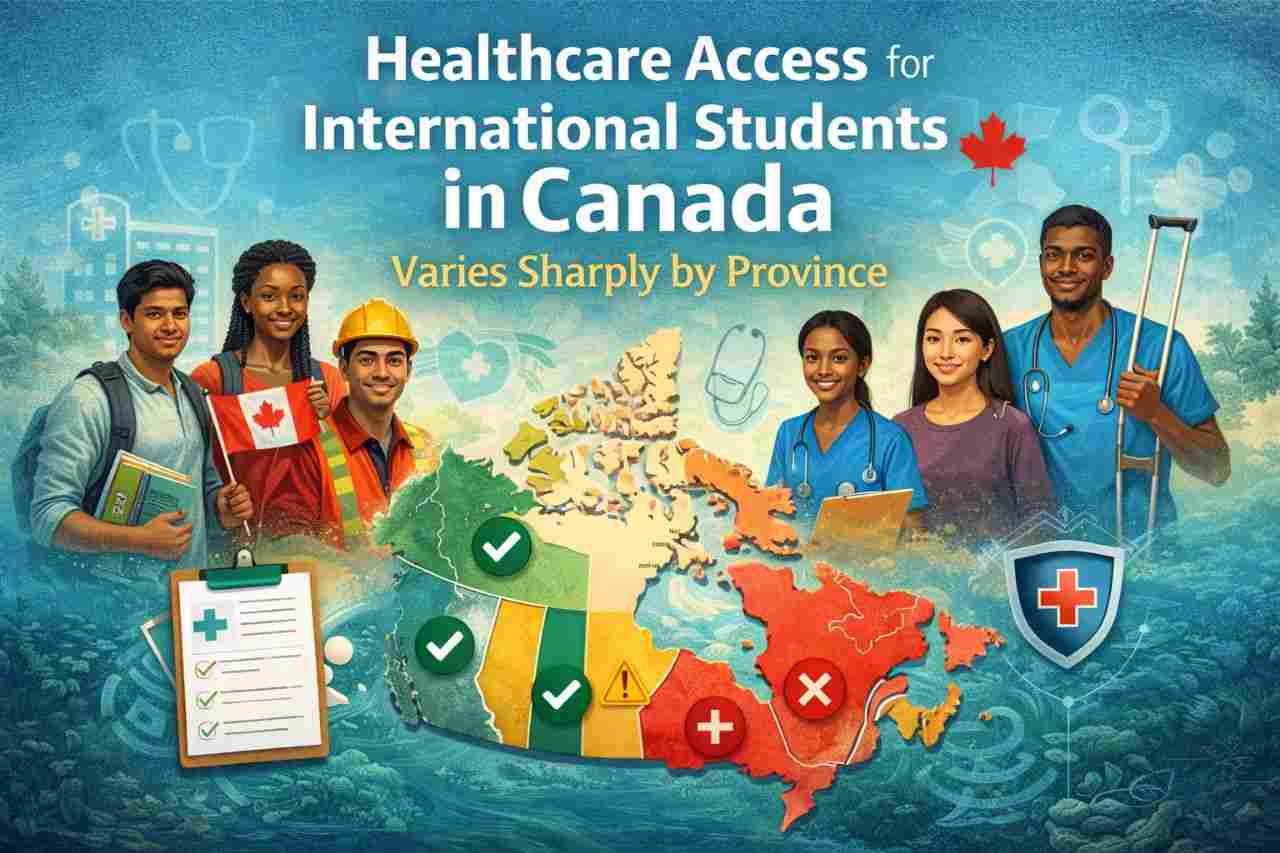
While Canada is known for its public healthcare system, coverage for international students is not uniform. Access depends almost entirely on the province where a student chooses to study. This creates a reality where two students paying similar tuition fees may receive very different levels of healthcare support. For students planning their future in Canada, knowing these differences early can prevent stress, financial strain, and unexpected challenges.
Why Healthcare Coverage Is Not the Same Across Canada
Healthcare in Canada is managed at the provincial and territorial level. Each province sets its own rules on who qualifies for public healthcare and when coverage begins. International students are not treated the same as permanent residents or citizens.
Some provinces offer immediate access. Others require waiting periods. Some exclude international students entirely from public plans. As a result, healthcare access for students is often determined not by need but by location.
Provinces Offering Public Healthcare Coverage to International Students
Several provinces provide international students with direct access to public healthcare, either immediately or after basic registration.
These include
- Alberta
- Saskatchewan
- New Brunswick
- Prince Edward Island
- Northwest Territories
In these regions, eligible international students can access doctor visits, hospital services, and essential care through the public system. This significantly reduces out-of-pocket medical expenses and provides peace of mind during long study programs. For students planning multi-year education or post-graduation work options, these provinces often offer a smoother experience when it comes to healthcare access.
Provinces Requiring Private Insurance Only
In contrast, some provinces do not include international students in their public healthcare plans at all.
- Ontario
- Manitoba
- Yukon
Students in these provinces must rely entirely on private health insurance. Coverage is usually arranged through educational institutions or external providers. While private plans offer basic protection, coverage limits and exclusions can vary. Unexpected medical needs can still result in additional expenses, especially for specialist care, prescriptions, or extended treatment.
Provinces with Waiting Periods or Special Conditions
Other regions fall somewhere in between. British Columbia requires a three-month waiting period before public healthcare begins. During this time, students must maintain private insurance. Even after enrollment, monthly fees apply. Quebec limits public healthcare access to students from countries that have social security agreements with the province. Students from other countries must purchase private coverage for the full duration of their studies. These conditions often come as a surprise to students who assume healthcare access is automatic across Canada.
Why Many Students Remain Unaware
Despite the importance of healthcare planning, many international students learn about these differences only after arrival. Admission letters and visa approvals rarely explain healthcare eligibility in detail. Students often focus on tuition, housing, and part-time work rules. Healthcare becomes an afterthought until it is needed. This lack of awareness can lead to financial pressure and unnecessary stress during medical emergencies.
How Healthcare Access Should Influence Study Decisions
Choosing a province is not only about ranking or tuition costs. Healthcare access should be part of long-term planning. Students who plan to
- Study for multiple years
- Bring dependents
- Transition to work permits
- Pursue permanent residence
- should consider provinces that offer more consistent healthcare access.
Healthcare stability supports academic focus, financial planning, and overall well-being.
Why Professional Immigration Guidance Matters
Canada’s immigration and study pathways are closely linked with provincial policies. Healthcare rules, work eligibility, and post-graduation options all vary by region. This is why working with a certified canadian immigration consultant is increasingly important for international students. Through immigcanada immigration consulting services, students receive province specific guidance that goes beyond admission letters. For students seeking reliable guidance from the Best RCIC in Canada, this strategic approach helps avoid costly mistakes.
Healthcare access is a critical but often overlooked part of studying in Canada. Provincial differences mean that where you study can shape your experience far beyond the classroom. Working with immigcanada immigration consulting services, guided by eivy joy quito, a trusted Regulated immigration consultant, students gain clarity and confidence at every step. For those seeking direction from the Best RCIC in Canada, ImmigCanada remains a dependable partner for smart and informed planning.
Leave a Reply