

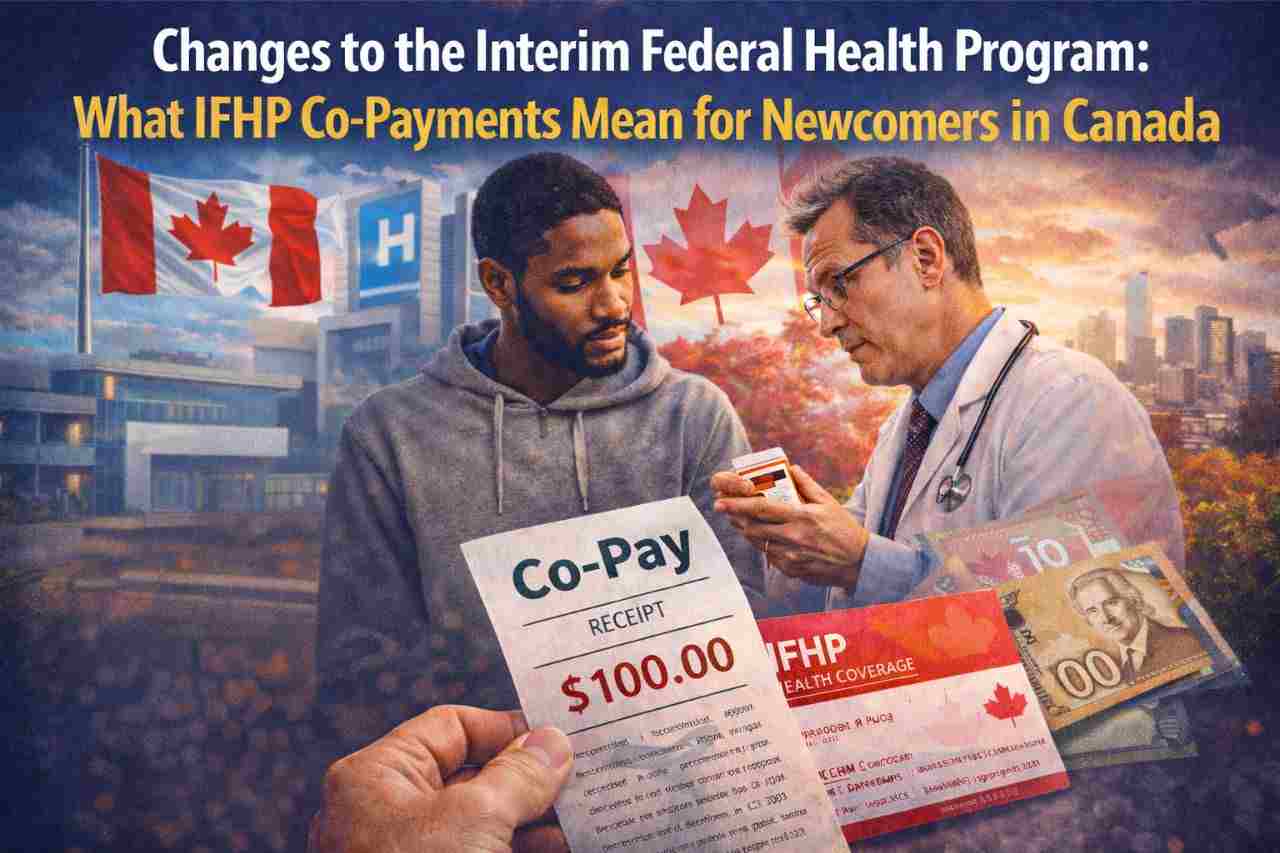

Canada’s immigration health coverage system is seeing an important update. As part of Budget 2025 measures, Immigration, Refugees and Citizenship Canada has announced Changes to the Interim Federal Health Program that will affect how eligible beneficiaries pay for certain supplemental health products and services.
The Interim Federal Health Program plays a key role in supporting eligible newcomers before they transition to provincial or territorial healthcare systems. With growing demand across Canada, the federal government is introducing a new cost-sharing model to help manage program usage while continuing to provide access to essential care.
These Changes to the Interim Federal Health Program are scheduled to take effect on May 1, 2026. Understanding what is covered, what will require a co-payment, and how this may affect daily health costs is now essential for many newcomers and protected persons.
What Is the Interim Federal Health Program and Who It Supports
The Interim Federal Health Program provides temporary and limited health coverage to eligible individuals who are not yet covered under a provincial or territorial health plan. This includes certain refugees, refugee claimants, and other protected persons who are in transition within Canada’s immigration system.
The program covers urgent and essential health needs to ensure that eligible beneficiaries can access necessary care while they wait for provincial health eligibility. This safety net has long helped newcomers maintain stability during early settlement stages.
With rising demand across Canada’s health and immigration systems, these Changes to the Interim Federal Health Program introduce a shared-cost approach for certain types of supplemental care.
What Is Changing Under the Interim Federal Health Program
Starting May 1, 2026, beneficiaries under the Interim Federal Health Program will be required to pay co-payments for specific supplemental services and products. These Changes to the Interim Federal Health Program apply only to supplemental benefits and do not affect core medical services.
Under the new structure, beneficiaries will be responsible for a fixed cost for prescription medications and a percentage-based share for other supplemental services. These co-payments are paid directly to registered health care providers at the time services are received.
The purpose of this change is to support long-term program sustainability while continuing to make essential health services available to eligible individuals.
Co-Payment Structure for IFHP Beneficiaries
Under the updated Interim Federal Health Program rules, the following co-payments will apply:
Prescription medications will require a fixed co-payment per eligible prescription filled or refilled. Other supplemental health services will require beneficiaries to cover a percentage of the total cost.
These supplemental services include areas such as dental care, vision care, counselling, and assistive medical devices. Beneficiaries should expect to confirm costs in advance with their health care provider.
Basic medical care remains fully covered. Doctor visits and hospital services will continue to be paid in full under the IFHP, with no co-payments required. This ensures that essential medical access remains protected for eligible individuals.
What Remains Fully Covered Under IFHP
Despite the Changes to the Interim Federal Health Program, core health services are not affected. This means that beneficiaries can still access physician services and hospital care without any out-of-pocket payments under the IFHP.
This continued full coverage helps ensure that urgent and essential medical needs are met. It also reduces barriers to accessing critical care during early settlement or while transitioning to provincial coverage.
Maintaining full coverage for primary medical services reflects Canada’s focus on protecting access to essential health care for eligible newcomers.
What Beneficiaries Should Do Starting May 1, 2026
With these Changes to the Interim Federal Health Program, beneficiaries are encouraged to take a more active role in confirming coverage and costs before receiving supplemental care.
Choosing a health care provider registered under the IFHP remains important. Beneficiaries should ask providers whether a co-payment applies and confirm the expected amount before treatment.
Keeping receipts for all co-payments is also recommended. This helps with personal records and supports clarity when tracking health-related expenses.
Planning ahead for these changes can help reduce financial surprises and ensure smoother access to care.
How These Changes Affect Newcomers and Protected Persons
For many newcomers, the Interim Federal Health Program acts as a bridge during early settlement. The introduction of co-payments means that some out-of-pocket costs will now be part of accessing supplemental care.
While this may require additional budgeting, the structure still maintains access to essential services. The goal is to balance accessibility with long-term system stability. For individuals planning longer-term immigration pathways, understanding these Changes to the Interim Federal Health Program also highlights the importance of transitioning to provincial health coverage as soon as eligible.
How ImmigCanada Supports Clients Through IFHP Changes
As Changes to the Interim Federal Health Program take effect, staying informed is essential for newcomers, protected persons, and applicants navigating Canada’s immigration system. Health coverage rules can directly affect settlement planning, budgeting, and long-term stability.
Through ImmigCanada immigration consulting services, clients receive professional guidance from a certified Canadian immigration consultant and a regulated immigration consultant who closely monitors policy changes affecting settlement and health coverage. With leadership from Eivy Joy Quito, applicants gain access to trusted advice that aligns immigration pathways with settlement realities.